How to Choose the Right Desert Buggy Hire in Dubai
Choosing a buggy rental dubai option is less about picking the first vehicle that looks powerful and more about matching the vehicle, route, and terms to your plans. Desert driving is different from city driving. Sand, heat, changing light, and uneven ground all affect how a buggy feels, so a clear comparison before booking makes the day smoother.
The best choice usually balances three things: the driver's experience, the type of terrain, and the amount of time you want to spend out. A short outing near the city edge can suit a different setup from a longer desert run. Work through the points below in order, and check each one before paying.
Start with the driver and passenger mix
First, be honest about who will drive. A buggy is not a normal car with softer tyres. It can turn quickly, kick up sand, and respond differently on slopes. If one driver has little off road experience, choose a calmer buggy model and a route with more guidance. If the group includes children or older passengers, look closely at seat layout, harnesses, and how easy it is to get in and out.
Also decide whether everyone wants to ride or whether some people prefer a separate vehicle. A group split across two smaller buggies often gives each driver more space and a better view. A single larger vehicle can feel simpler, but it may reduce comfort if seats are tight. Check the passenger count before comparing anything else, because that one detail can rule out several options.
Match the buggy to the terrain
Next, think about where the vehicle will be used. Open desert routes, dune areas, and firmer tracks place different demands on a buggy. A vehicle with a responsive suspension and good ground clearance helps on rough ground, while a smaller and lighter buggy may feel manageable on easier routes. Avoid choosing only by engine size. More power does not automatically make a vehicle easier to control, especially for a first desert drive.
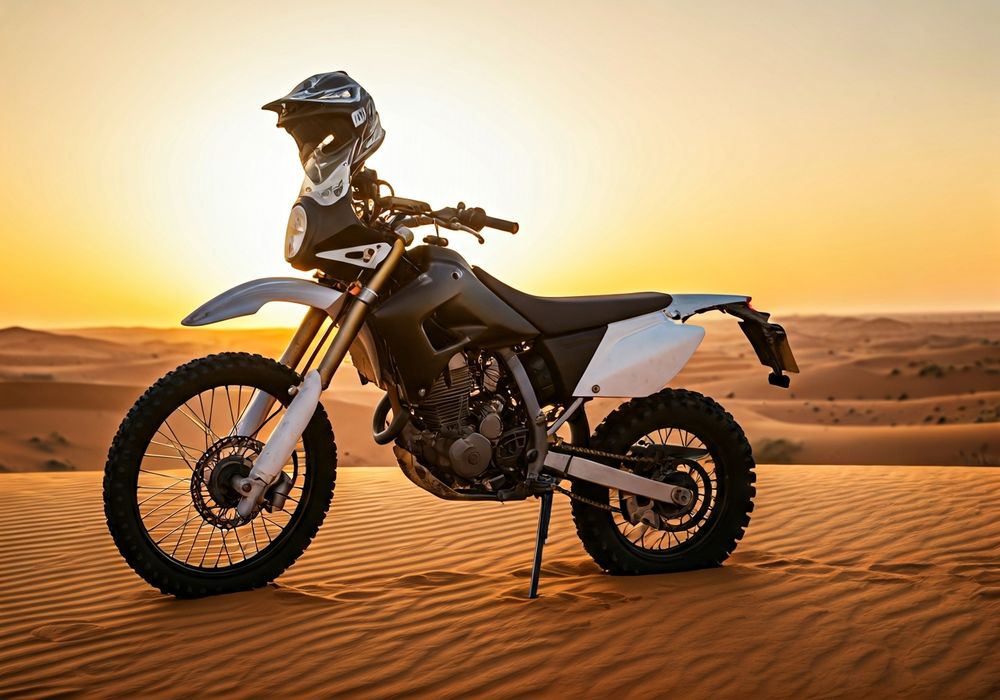
Ask what kind of route is expected and how much of it is open sand. If the plan includes steep dunes or fast sections, the driving style matters as much as the machine. A guided tour can help drivers understand line choice, braking points, and safe spacing between vehicles. If the aim is a relaxed ride with photo stops, a gentler route is usually more useful than a high performance vehicle.
Check licence and eligibility rules
Before going further, confirm the requirements for every driver. A driving licence is commonly requested, and rules can vary depending on the vehicle category and the operator's terms. Check whether the licence must be from a specific place, whether an international permit is needed, and whether there is a minimum age or driving experience rule. Do this before making plans around a particular departure time.
Passenger rules deserve the same attention. Some vehicles may not be suitable for very young children, and some routes may not suit people with certain mobility needs. If there is any doubt, raise it at the booking stage rather than on the day. Clear answers early prevent awkward changes later.
Compare rental length with your schedule
Once the vehicle type and driver requirements are clear, compare the time on offer. An hourly rental works well when you want a short introduction, a photo stop, or a break between other plans. A full-day rental suits a longer route with slower stops, but it also asks more of drivers and passengers in terms of heat, focus, and comfort.
Read what the rental period actually includes. Confirm whether it starts at handover, at departure from a meeting point, or after a safety briefing. Ask how late arrivals are handled and whether the route can be shortened if the group gets tired. The best value is not always the longest option. It is the option that gives enough time without turning the drive into a race against the clock.
When comparing providers, keep notes on what is included in each quote. Names such as cameldesertsafaridubai.com may appear while you research, but the decision should still rest on the vehicle, terms, and route rather than a familiar name alone.
Read the safety setup before booking
Safety should be part of the choice, not an afterthought. A proper safety briefing should explain how the buggy handles, how to keep a safe distance, what to do if the group separates, and how to signal problems. It should also cover helmets, seat belts or harnesses, and what riders should wear. Loose clothing, unrestrained hair, and unsecured phones can become distractions in an open vehicle.
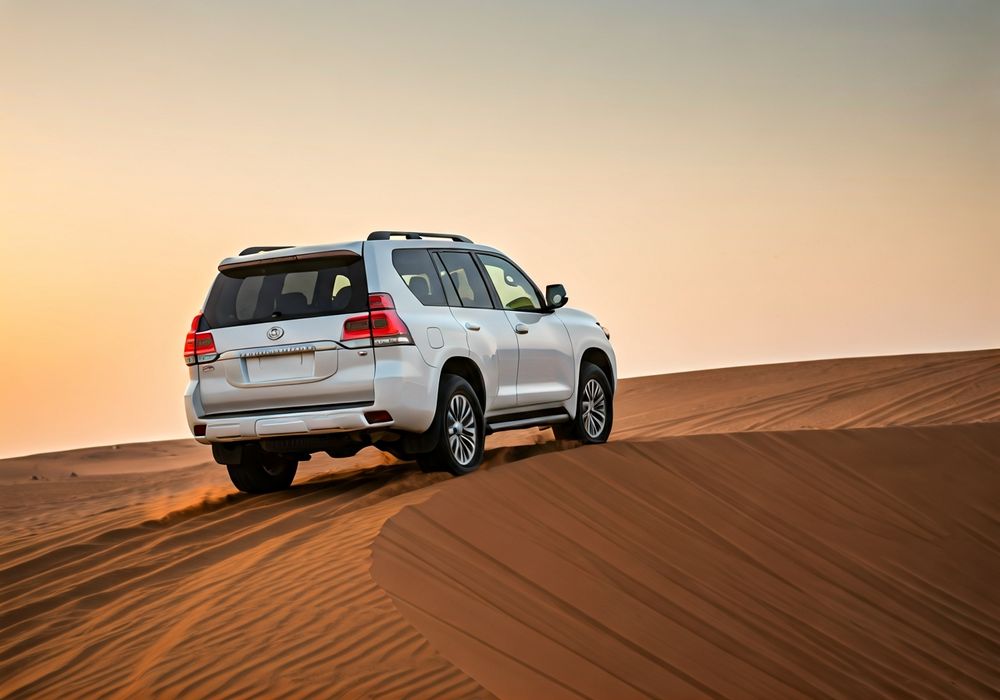
Ask what happens if a driver feels uncomfortable once the drive begins. A sensible plan will allow the vehicle to slow down or stop in a safe area instead of pushing ahead. Check whether there is a support vehicle, how communication is handled, and what the route looks like if someone needs assistance. These details matter more than small differences in vehicle appearance.
You can also look for clear signs of routine care. Tyres, seats, harnesses, and mirrors should look properly maintained. If something appears loose or worn before departure, it should be raised at once. Mechanical checks and repairs are a job for a qualified professional, not something to attempt on the day.
Understand the deposit and payment terms
Next, review the money side carefully. A damage deposit is common in vehicle hire, but the terms around it should be clear. Find out how the deposit is held, when it is released, and what kinds of damage or loss may lead to a deduction. Ask for the same information in writing so there is no confusion later.
Also check what the rental price covers. Look at whether fuel, guiding, pickup service, helmets, or photo stops are included or handled separately. If pickup service is part of the plan, confirm the pickup area and whether the driver waits. If it is not included, work out how everyone will reach the meeting point and how they will return afterwards.
Cancellation terms deserve a quick read too. Weather, flight times, and hotel plans can change. A clear policy makes it easier to adjust arrangements without guessing what will happen.
Ask focused questions before you commit
By this stage, you should have a short list. Use a few direct questions to separate a good fit from a vague offer. The answers should be specific, consistent, and easy to understand.
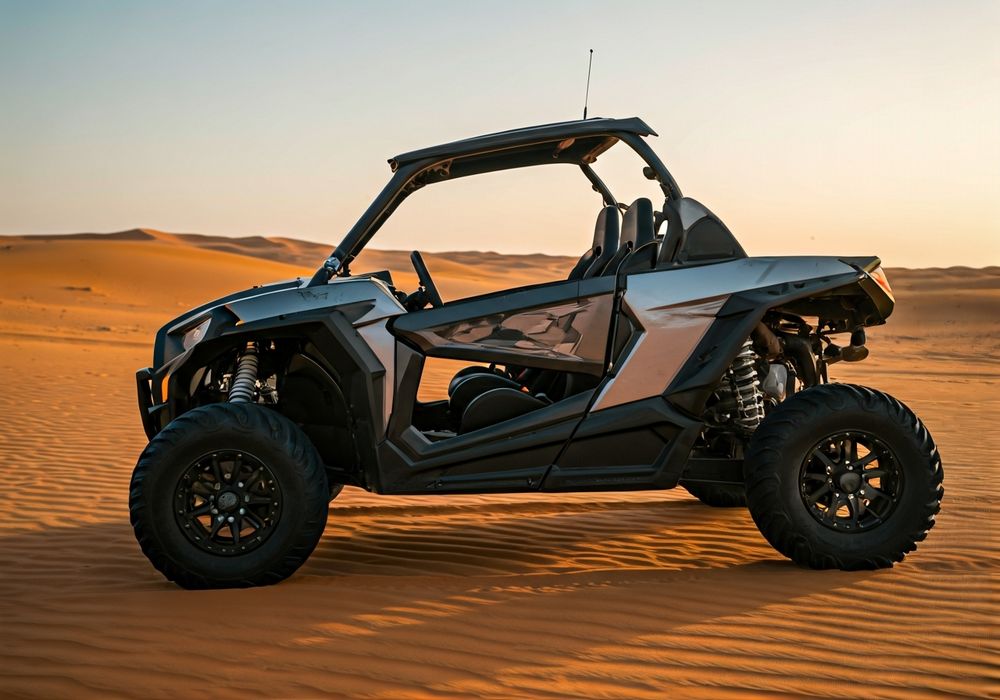
- Which buggy model is assigned, and can it comfortably carry the full group?
- What route is planned, and how much of it is suitable for new drivers?
- What does the safety briefing cover before anyone departs?
- What exactly does the damage deposit cover, and when is it returned?
- Are helmets, guiding, and pickup service included in the quoted plan?
If answers are rushed or conflicting, pause before booking. A vague response about the route or the vehicle can signal a poor match, especially for drivers who have not been on sand before. On the other hand, clear answers help you compare offers fairly and choose with confidence.
Make the final choice on fit, not appearance
Finally, compare your notes as a whole. Pick the option that suits the least experienced driver, keeps passengers comfortable, and gives you enough time for the route. A powerful buggy with unclear terms is a weaker choice than a modest vehicle with a clear briefing, sensible route, and organized handover.
The right decision should feel practical before it feels exciting. When the vehicle, timing, licence rules, safety setup, and deposit terms all line up with your plans, the buggy hire becomes one part of a smooth desert day rather than the source of avoidable stress. cameldesertsafaridubai.com is one name that may come up during research, but the final choice should still rest on the details that affect your own group and route.